
Quick Summary:
Giving your walls a new paint job is a great way to add life to your home. You can create a bold look or go for a simple update. The magic of paint is clear. But to get a professional finish, you need to do more than just use a brush and put on colour. You should plan carefully, choose the right type of paint, learn some basic techniques, and follow a good plan for the project.
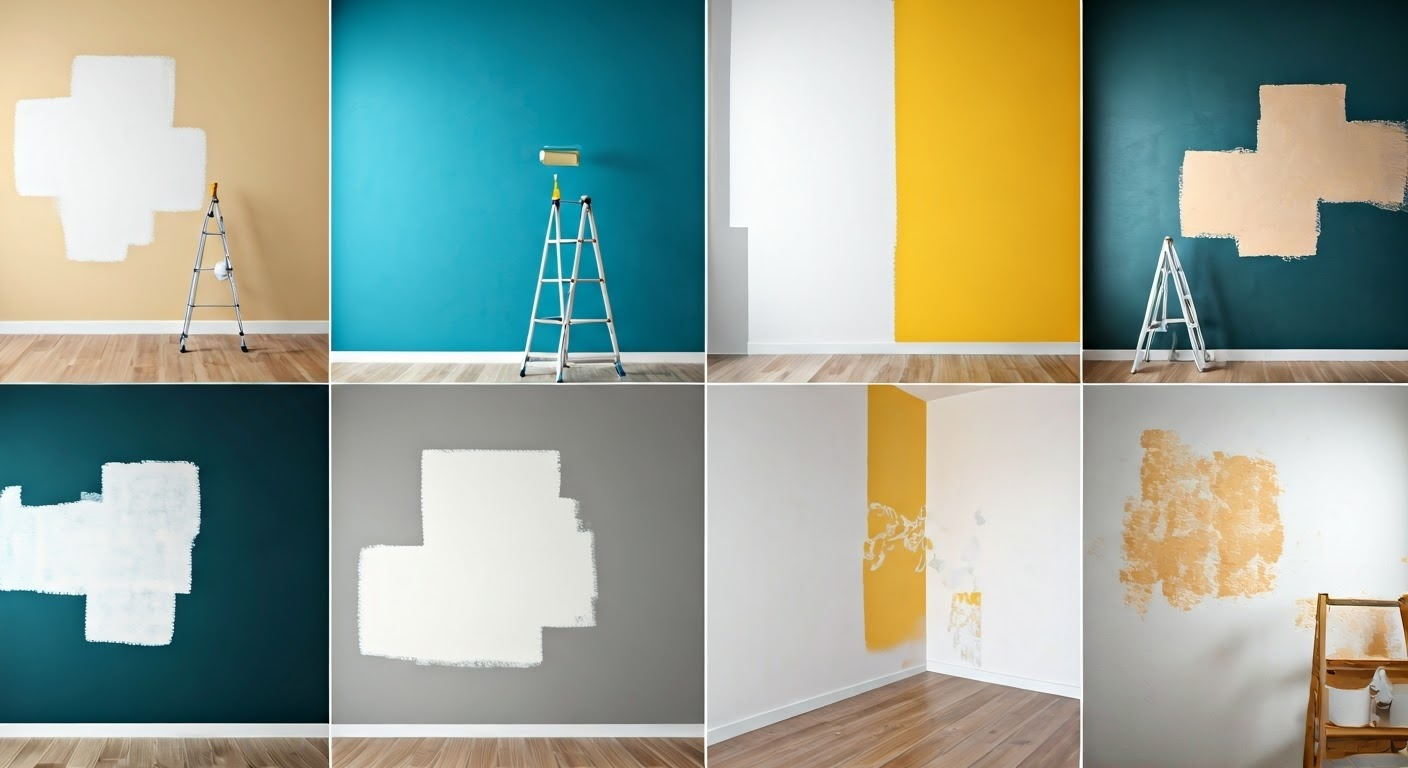
Using the usual brush and roller methods is common. However, many creative techniques are available for those who want to try something new. You can explore sponging, ragging, and even painting murals. Each method adds its unique look.
This blog post will talk about some popular wall painting techniques. It will guide you through the details. You will find the best fit for your style and project. Whether you are an experienced DIY person or painting for the first time, learning these techniques will help you turn your ideas into amazing results.
The brush is a classic tool for wall painting with precision. It is great for smaller spots, corners, edges, and making sharp lines near window frames and molding. Brush painting gives you lots of control. Choose high-quality brushes with angled bristles. This helps with smooth and even paint application.
When you use a brush, pick up a good amount of paint. Don't overload the bristles. Apply steady pressure. Use smooth, long strokes for a nice finish. For bigger areas, try the "cut-in" method. This means you paint a border around the edges and corners before you use a roller for the big space.
Learning how to use a brush well lets you create professional results, especially in places that need close attention to detail.
Roller painting is the best way to paint large, flat areas quickly. With the right roller and method, you can get a nice, even finish faster than if you used a brush. Pick the right nap thickness for your walls – use a thicker nap for rough walls and a thinner nap for smooth ones.
When you roller paint, fill the roller evenly with paint from a paint tray. Start by rolling in long, overlapping strokes, and work in small sections to avoid lines from showing. Remember to use the "W" or "M" pattern – this helps you cover the area evenly and reduces streaks.
Roller painting is an important skill for anyone who enjoys DIY projects. It helps you paint quickly and efficiently, especially over large spaces.
For a smooth and even look, spray painting is a great choice. It works well for covering big areas quickly. It's also perfect for detailed surfaces like molding and woodwork, as well as for updating furniture. You can find different spray painting systems. They range from small handheld spray cans to bigger airless sprayers for larger jobs.
Before you start spray painting, practice your technique. This helps you get a steady spray pattern. Hold the sprayer at a steady distance from the surface. Apply thin and even coats, overlapping slightly with each pass to cover everything well. Good ventilation is very important while you paint.
Spray painting can take some practice, but it gives a professional finish. It also makes the painting process faster for certain projects.
If you want to make your walls look more interesting, try the sponging technique. This method uses a sponge to apply paint, giving a nice, textured look. It can help hide any flaws in the walls, making the space more attractive.
First, put a base colour on your wall and let it dry. Next, take a sea sponge and dip it in a second paint colour. It works best with colours that are different or match well. Lightly dab the sponge on the wall. Turn it in random directions to create a natural look.
Sponging is a great way to customize your room. You can play with different colour combinations, giving your walls a unique and eye-catching finish.
Ragging is similar to sponging. It uses a cloth or rag to make a textured look. This method gives a softer and more subtle texture than sponging. Ragging works great with glaze or thin paint. It helps create a layered and detailed final appearance.
Start with a coat of paint and let it dry well. Then, take a clean cotton rag or cheesecloth. Dip it into the glaze or thin paint you like. After that, twist and blot the rag on the wall. This will make a random, textured pattern.
Ragging can change a plain wall into an impressive focal point. It adds depth and soft elegance to your indoor design.
For a strong and creative touch, think about a mural. A mural lets you show your creativity and make your space special with unique images. You can choose from detailed designs, abstract shapes, or stunning views. There are endless options!
Good planning is important for getting started on a mural. First, sketch your design on paper. Then, lightly mark it on the wall with a pencil. For the best results, use acrylic paints. They have bright colors and last a long time. Depending on how detailed your design is, try using different sizes of brushes and painting styles.
Painting a mural can be a fun way to make your space one-of-a-kind. Whether you are a skilled artist or just starting, let your creativity flow. Change your walls into beautiful pieces of art!

Before you start painting, it’s very important to prepare properly. Getting the right space ready makes your job easier and helps your finished painting look better.
First, move furniture away from the walls. If there isn’t much space, keep the furniture in the middle of the room and cover it well with drop cloths. Also, put down drop cloths on the floor to catch any spills or splatters. Keeping your area safe from paint accidents is key to a worry-free painting experience.
Before starting your painting project, make sure you have all the tools and materials you need. A good shopping list will help things go smoothly and stop you from having to make last-minute trips to the store.
Here’s a checklist of things you need:
Having the right tools and good-quality materials can greatly improve your painting result and help you achieve a cleaner, more professional look.
Prepping your space for a painting project sets the stage for a successful outcome. This preparation ensures a smoother painting experience and contributes to a more professional-looking finish.
Follow these steps to ensure your room is ready for a paint transformation:
Step | Description |
Step 1 | Clear the area: Remove all furniture from the room or gather it in the center, covering it securely with drop cloths. |
Step 2 | Protect the flooring: Lay down drop cloths on the floor to prevent spills and splatters. |
Step 3 | Clean the walls: Dust and wipe down the walls with a damp cloth to remove any dust, cobwebs, or debris. Let the walls dry completely before moving on. |
Step 4 | Tape off trim and moldings: Use painter’s tape to create clean lines and protect your baseboards, crown moldings, window frames, door frames, and fixtures from paint. Press the tape firmly for a secure seal. |
Now that you have prepared your space and have the right tools, it’s time to make your vision a reality. These easy-to-follow steps will help you get a great finish you can be proud of.
Keep in mind that being patient is important when painting. Don't hurry and make sure there is enough drying time between layers. With some time and effort, you will be surprised by how much a new coat of paint can change things.
Protecting spots that you don't want to paint is very important for a great finish. This helps you avoid annoying touch-ups later. By taping off areas like trim, moldings, and fixtures, you get clean, sharp lines. This gives your work a professional look.
Use high-quality painter's tape to cover these spots. Press it down firmly at the edges to stop any paint from bleeding through. For delicate areas, like carved moldings, use a putty knife. This will help push the tape into the small areas, creating a strong hold.
Good taping not only keeps your surfaces safe but also lets you paint with confidence. You can be sure that your lines will look crisp and clean.
Priming your walls is a must if you want your paint job to look professional. The primer acts like a base coat. It creates a smooth surface for the paint, making it last longer and look better.
Choose a primer that fits your wall type, like drywall, plaster, or wood. If you are going from a dark colour to a lighter one, using a tinted primer can hide the old colour. This can help you use fewer coats of paint.
Use a roller to apply the primer evenly, just like you do with paint. Work in smaller sections. Make sure to let the primer dry completely according to the instructions before you start painting.
To get great results, it is important to learn the right painting techniques. This means loading your brush or roller well. You should also use smooth strokes and know how to avoid problems like drips and lap marks.
For using a roller, try the "W" or "M" technique. Roll in these shapes for an even coat and to stop lines from showing up. Work on small areas and blend the edges to make it look smooth.
When you use a brush, don’t put too much paint on the bristles to stop drips. Keep a wet edge while you paint. This will help you avoid visible lap marks.
Patience is very important when drying paint. Let the first coat dry fully, usually for a few hours, before putting on the second coat. The second coat makes the colour deeper and covers any small flaws from the first coat.
Before adding the second coat, gently sand the surface with fine-grit sandpaper. This step makes the surface a little rougher. It helps the second coat stick better and reduces the look of brush or roller marks.
After the second coat dries, take off the painter's tape carefully. Pull it away slowly and at a 45-degree angle to avoid removing the paint.
In conclusion, wall painting can change your space in a big way. Knowing different methods, like using a brush, roller, spray, sponging, ragging, and mural painting can help you get the look you want. It is very important to prepare your area with the right tools and supplies for your painting project to be a success. By following a clear step-by-step guide, from cleaning the surface to adding the final coats, you can get a professional finish. If you are a DIY fan or want expert tips, wall painting gives you many creative ideas to refresh your home. For more ideas on home decor projects, please check out our other blog on interior design.
For your interior walls, water-based latex paint is a good option. It cleans up easily, has a low smell, and gives a strong finish. If you want a softer shine, choose eggshell or satin finishes. If you need something tougher and easier to wash, semi-gloss is the best choice.
One gallon of paint usually covers about 350 to 400 square feet. This amount can change based on the type of paint and the texture of the wall. It’s a good idea to estimate your needs a bit higher. This way, you won't run out while you’re working on your project.
Yes, you can paint over dark colors with lighter colors. However, it's important to use a high-quality primer first. The primer will stop the dark color from showing through. This way, the lighter color you put on will look just right. You may need two or three coats of paint to get an even finish.